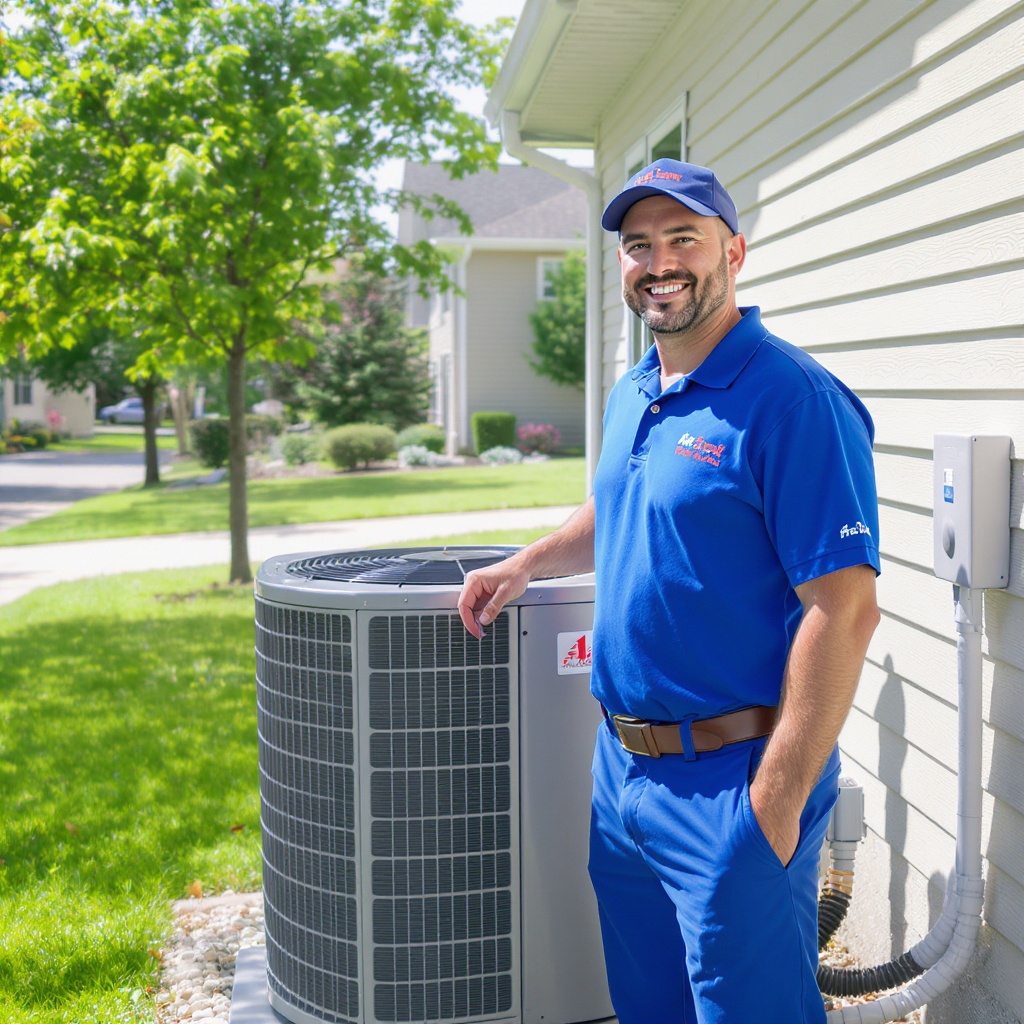
Why Puget Sound is a heat-pump market, not an air-conditioning market
If you're shopping for "AC" in Seattle, you're already framing the question wrong. Western Washington has a marine climate — mild, wet winters in the 40s and summers that rarely climb above 80°F. Most Puget Sound homes don't need air conditioning; they need heat, almost year-round. That's why nearly every furnace replacement, retrofit, and new-build HVAC decision in Seattle is really a heat-pump decision.
A modern cold-climate heat pump heats efficiently down to single-digit outdoor temperatures, cools when July pushes 85°F, and replaces the aging electric resistance furnace or oil system that still heats a surprising share of Seattle's pre-1990 housing stock. It's the upgrade that fits the climate — and it's the one your HVAC contractor should be selling.
See our Seattle HVAC company page →
2025 heat-pump cost ranges in Seattle
Heat-pump pricing in the Puget Sound depends heavily on whether you already have ducts, the size of your home, and the efficiency tier you choose. These ranges are what well-run Seattle HVAC contractors are quoting in 2025:
- Ductless mini-split (single-zone): $3,500–$7,500 installed. Best for older Craftsman homes, basement conversions, ADUs, garage studios, and any room addition that doesn't share the existing duct system
- Ductless multi-zone (2–4 indoor heads): $8,500–$18,000 installed. The most common upgrade path for a 1,500–2,200 sq ft Seattle home that doesn't have central ductwork
- Ducted heat pump (replacing an existing furnace): $9,000–$16,000 installed. Includes a new air handler if the old one is mismatched. Most homes that already have ducts land here
- Full system replacement (heat pump + new ducts + electrical upgrade): $18,000–$30,000+ installed. Older homes that need both ductwork and electrical panel work to handle the new equipment
What "installed" means in Seattle: a real quote includes the heat pump itself, the line set, electrical work up to code, condensate routing, a permit, startup, and a one-year labor warranty. If a quote is missing any of these, ask why — that's where surprise change orders come from after the crew shows up.
Pricing swings $2,000–$5,000 between contractors for the same equipment. That's not price gouging; it reflects overhead, warranty terms, and how much post-install service is bundled in. Get three quotes and compare line-by-line, not just the bottom number.
Federal IRA tax credits you can still claim in 2025
Two federal credits stack on a Seattle heat-pump install — and most homeowners only claim one of them. A good HVAC contractor will walk you through both.
- IRA §25C — Energy Efficient Home Improvement Credit: 30% of project cost, capped at $2,000 per year for heat pumps. Applies to the heat pump equipment and labor when installed in your primary residence. Doesn't require itemizing — claim it on Form 5695 with your regular tax filing
- IRA §25D — Residential Clean Energy Credit: 30% of project cost, no upper cap, applies when a geothermal (ground-source) heat pump is installed. Geothermal is uncommon in Seattle due to rocky site conditions and cost, but it qualifies if your lot supports it
Both credits require the equipment to meet CEE highest-efficiency tier ratings and the install to be performed by a qualified contractor (most licensed HVAC contractors qualify). Tax-credit paperwork is the homeowner's responsibility — your contractor should give you the AHRI certificate and itemized invoice, but they don't file for you.
Washington State and utility rebates that stack on top
Washington has some of the most generous heat-pump incentives in the country, and they layer cleanly with the federal credits. A 2025 Seattle homeowner can realistically stack:
- Puget Sound Energy (PSE) residential heat-pump rebate — currently up to $1,500 for qualifying ducted and ductless cold-climate units, with bonus amounts for high-efficiency tiers. Available to existing PSE customers
- Seattle City Light heat-pump incentive — up to $1,000 for converting from electric resistance heat to a qualifying heat pump, for customers inside Seattle City Light's service territory
- Washington State weatherization assistance — income-qualified households can receive additional support through the Department of Commerce
- Manufacturer rebates — Mitsubishi, Daikin, and other major ductless brands run seasonal rebate programs through accredited Puget Sound dealers (typically $300–$1,200 depending on zone count)
Every rebate requires a post-install verification — your contractor submits proof of commissioning and you receive the check or bill credit after. The federal taxes don't, but you'll square those at filing time. Total combined savings on a typical Seattle install can reach $4,000–$5,500 off the sticker price.
What the Seattle install timeline looks like
A heat-pump swap is a 1–3 day job for the crew, but the full timeline from quote to working system is longer than most homeowners expect.
- Week 1 — quote and load calculation: in-home visit, Manual J load calc, equipment selection. A good Seattle contractor won't quote over the phone — they need to measure the home
- Week 2–3 — permitting: Seattle DCI requires an electrical and mechanical permit for most heat-pump swaps. Your contractor pulls these; expect 1–3 weeks of permit review before a slot opens
- Week 3–5 — install: typically 1 day for a ductless single-zone, 2 days for a multi-zone or ducted replacement, 3+ days when electrical panel upgrades are involved
- Week 5–6 — inspection and commissioning: city inspection, system startup, thermostat setup, and rebate paperwork submission. Rebate checks typically arrive 6–12 weeks later
Plan a 6-week total timeline from your first quote call to a fully commissioned system. During fall and winter, that window stretches — Seattle HVAC crews are slammed from October through January.
What to look for in a Seattle HVAC contractor
Heat-pump work is a craft, and the spread between good and mediocre installers is enormous. Before you sign, check these:
- NECC / NATE certification: North American Technician Excellence certification means the lead installer has passed a written exam and recertifies every two years. Most reputable Seattle contractors employ at least one NATE-certified tech
- Load calculation (Manual J), not eyeballing: if a contractor quotes you over the phone without measuring your home, walk away. Undersized systems short-cycle; oversized ones waste energy and never dehumidify properly in summer
- Cold-climate equipment tier: a Seattle heat pump should be rated for full heating capacity down to 5°F or lower. Mid-tier units work for the Puget Sound; economy units strugge during cold snaps
- Warranty terms in writing: 10-year parts warranty is industry standard; labor warranty should be at least 1 year and clearly stated. Watch for "warranty on parts only" — labor costs are where surprise bills come from
- Local references with heat-pump work: furnace-replacement experience doesn't automatically translate to heat-pump expertise. Ask for 2–3 heat-pump installs from the past 12 months you can call as references
HVAC contractor websites by LocalLift →
Frequently asked questions
- Do I really need a heat pump if I currently have electric baseboard heat? Yes — heat pumps are 2–4× more efficient than resistance heating. Switching to a cold-climate ductless system typically pays back the install in 5–8 years through lower Seattle City Light / PSE bills
- Will a heat pump keep me warm during a Puget Sound cold snap? Modern cold-climate units maintain rated heating capacity down to 5°F and operate (at reduced capacity) down to -15°F. For Seattle's climate — where single-digit temperatures are rare — a properly sized unit handles cold snaps with margin to spare
- How loud is an outdoor heat-pump unit? Modern inverter-driven units run at 40–55 dB at full load, roughly the volume of quiet conversation. Seattle noise ordinances cap HVAC equipment at 55 dB at the property line — your contractor should spec compliant equipment
- Can I add zoning to an existing ducted system? Sometimes — a ducted heat pump can pair with a zone control panel and motorized dampers, but only if the original ductwork was designed for it. Many Seattle homes need a ducted system plus a ductless unit in one zone to get full zoning benefits
- What's the difference between a heat pump and a furnace? A furnace generates heat by burning gas or consuming electric resistance; a heat pump moves heat from outside air into your home. Heat pumps are more efficient but perform differently in extreme cold, which is why cold-climate-rated equipment matters in the Pacific Northwest
Bottom line for Seattle homeowners
A heat pump is the right upgrade for nearly every Puget Sound home replacing an aging furnace or electric-resistance system in 2025. Expect to budget $10,000–$18,000 installed for the most common ducted or multi-zone ductless configurations, layer federal tax credits with your local utility rebates, and plan a 6-week end-to-end timeline with a credentialed Seattle HVAC contractor.
Or — have a Seattle HVAC company you're researching? Browse our Seattle HVAC guide for what a high-performing Puget Sound contractor website should look like.
Ready to put this into action?
LocalLift builds high-converting websites for HVAC contractors. Get yours built and running in days — not months.
See our HVAC website solution →